Uma Schmid · 13 September 2026
Piloting Shared Solar Installations in Rural Maelor to Lower Household Power Costs
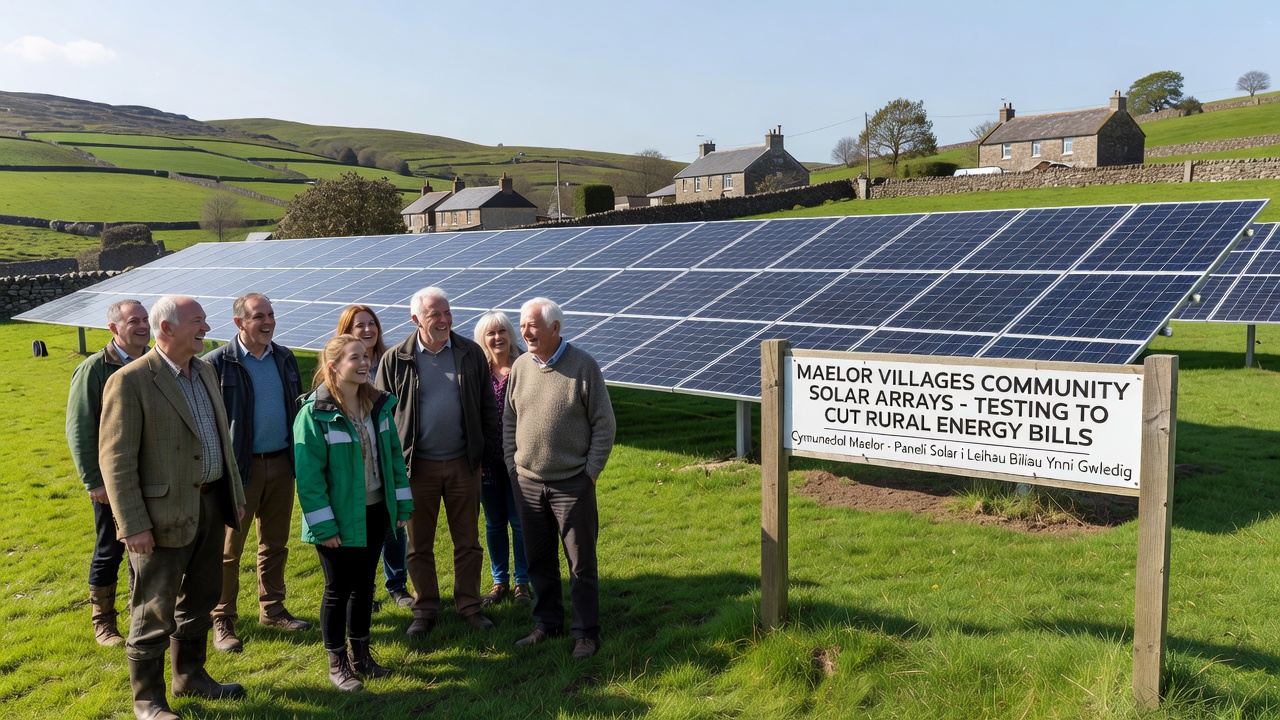
Community-owned solar arrays have entered testing phases across several Maelor villages where residents seek practical ways to manage rising electricity expenses in areas that often face higher delivery charges than urban zones, and data from similar installations shows potential bill reductions of 15 to 25 percent once systems reach full operation. Observers note that these projects rely on collective ownership models in which local households purchase shares in the arrays, and the generated electricity feeds into the grid while participants receive credits on their monthly statements. Research from the National Renewable Energy Laboratory indicates that such setups have delivered measurable savings in comparable rural settings across multiple countries since the early 2020s.
Project coordinators in Maelor have scheduled the formal testing period to begin in September 2026, allowing time for grid connection approvals and equipment calibration before residents start receiving the first round of credits. Panels will sit on underused agricultural land that remains available for grazing between rows, and this dual-use approach helps maintain existing farm productivity while adding renewable capacity. Figures from the International Energy Agency reveal that agrivoltaic systems of this type can maintain or even improve land output when designed with sufficient spacing and height.
Project Structure and Local Participation
Each village cluster operates through a community benefit society that handles share sales, maintenance contracts, and distribution of credits, and membership remains open to all households within defined postcodes regardless of property ownership status. Shares typically start at modest amounts so that lower-income residents can participate without large upfront payments, and several villages have arranged low-interest loans through regional credit unions to spread costs over five years. Those who have studied similar programs in other regions report that transparent governance documents and regular public meetings build higher levels of trust and uptake.
Technical specifications call for arrays sized between 500 kilowatts and 2 megawatts depending on village population and available land, and inverters will include smart monitoring that adjusts output to match local demand patterns throughout the day. Excess generation during peak sunlight hours flows into the wider network, and participating households receive proportional credits based on their ownership percentage rather than actual consumption at any single moment. This structure simplifies billing while still delivering the intended cost relief.
Energy Savings Data and Grid Impact
Early modeling prepared by project engineers projects annual savings ranging from £180 to £420 per participating household once the arrays reach rated output, and these estimates incorporate both direct generation credits and avoided transmission fees that rural users normally pay. Comparisons with installations already operating in parts of Canada and Australia show that actual results often exceed initial projections when maintenance remains consistent and weather patterns stay within expected ranges. One study conducted by the National Renewable Energy Laboratory tracked 12 community solar sites over three years and found median savings of 19 percent after accounting for all ownership and operational costs.
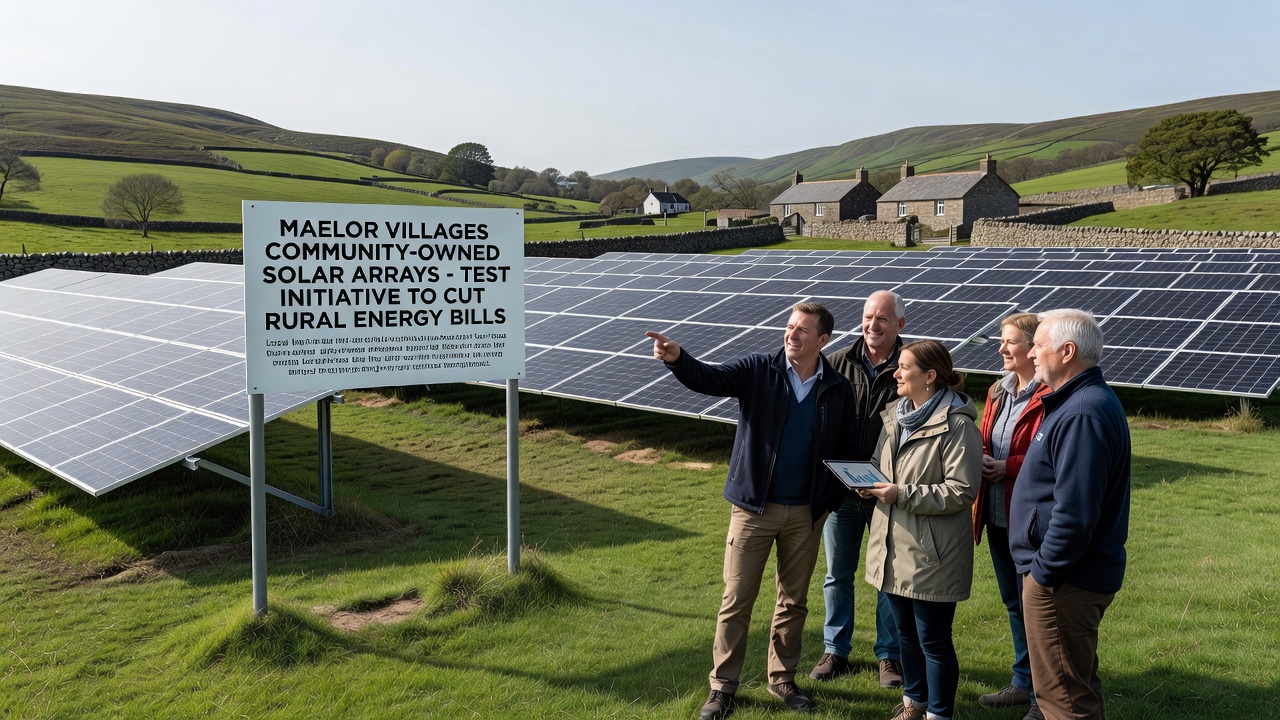
Grid operators have confirmed that the added local generation reduces strain on long-distance transmission lines during summer afternoons, and this localized production can defer the need for certain infrastructure upgrades that would otherwise pass costs on to all customers. Monitoring equipment installed alongside the arrays will collect performance data throughout the testing window, and results will inform decisions about scaling the model to additional villages in subsequent years. Data collected during September 2026 and beyond will include output measurements, credit accuracy checks, and resident feedback on billing statements.
Regulatory Framework and Funding Sources
Current UK planning rules allow these smaller-scale community projects to proceed under permitted development rights in many cases, although grid connection applications still require formal review by distribution network operators. Funding for the initial arrays combines member share purchases with grants from regional development funds and match funding from philanthropic organizations focused on rural sustainability. Observers note that this blended approach reduces individual financial exposure while still requiring meaningful local commitment to ensure ongoing engagement.
Legal templates for the benefit societies draw from established models used in other parts of Europe and North America, and solicitors specializing in community energy have reviewed all documents to confirm compliance with cooperative legislation. Insurance policies cover equipment damage, public liability, and income protection in case of prolonged underperformance, and these costs form part of the annual operating budget deducted from gross generation revenue before credits are calculated.
Next Steps and Broader Context
Following the September 2026 testing launch, project teams will publish quarterly performance summaries that detail generation totals, credit distributions, and any technical issues encountered. These reports will remain publicly available on village websites and at community notice boards, and residents can attend open meetings to ask questions or suggest adjustments. Should the pilot demonstrate consistent savings and reliable operation, coordinators expect interest from neighboring parishes that face similar energy cost pressures.
Community solar continues to expand in rural regions worldwide because it offers a scalable route to renewable adoption without requiring every household to install panels on its own roof. Evidence gathered from multiple countries shows that collective ownership spreads both benefits and responsibilities across a wider base, and the Maelor villages testing program adds another data point to that growing body of experience.
Conclusion
The Maelor villages testing program represents a structured effort to apply community solar principles to local energy challenges, and results from the September 2026 onward period will determine whether the model merits wider adoption. By combining shared ownership, dual land use, and grid integration, the initiative supplies concrete information on costs, savings, and operational realities that other rural areas can reference when evaluating their own options.