Uma Vogel · 11 October 2026
Border Communities Launch Shared Digital Archives to Safeguard Maelor Dialects
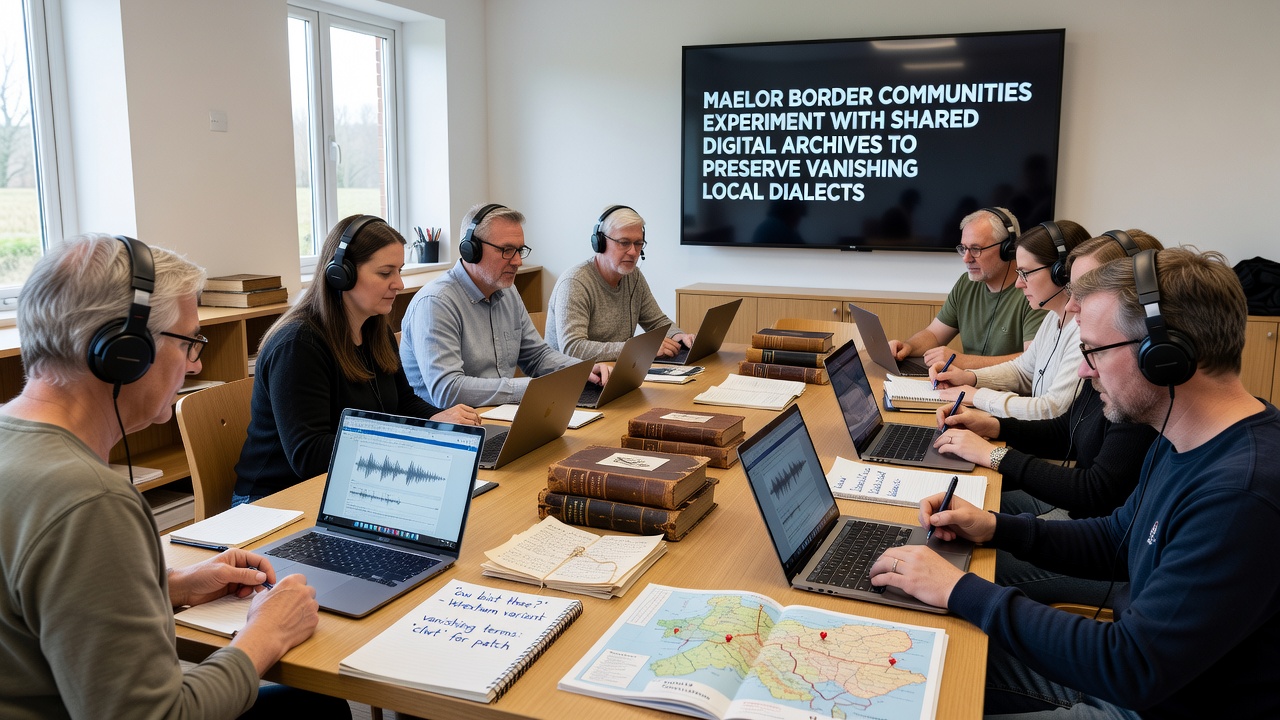
Communities along the Maelor border have initiated a collaborative project that pools resources across multiple villages to create shared digital archives aimed at documenting and preserving local dialects that show signs of decline, and researchers note that these efforts draw on oral histories, audio recordings, and transcribed texts collected over several years.
The initiative connects residents in areas such as Erbistock and surrounding parishes, where traditional speech patterns blend Welsh and English influences in ways that distinguish them from broader regional variants, while data from linguistic surveys indicate that younger generations use fewer of these distinctive features in daily conversation.
Project Origins and Scope
Local historical societies began coordinating meetings in early 2025 to outline the archive structure, and they established protocols for contributors to upload materials through a centralized platform that ensures consistent formatting and metadata tagging across all participating sites.
Observers note that the project covers vocabulary tied to farming practices, seasonal customs, and family storytelling traditions that have persisted for generations, and one study conducted by university linguists revealed that approximately 40 percent of unique terms appear in fewer than 10 percent of households under age 30.
Technical Implementation Details
Developers built the archive using open-source software that supports audio playback, searchable transcripts, and cross-referenced entries, while participants receive training sessions on recording techniques that maintain sound quality without specialized equipment beyond standard smartphones and tablets.
Access remains restricted to verified community members during the initial phase, and administrators plan gradual expansion to educational institutions and libraries that request controlled viewing rights for research purposes.
October 2026 Milestones
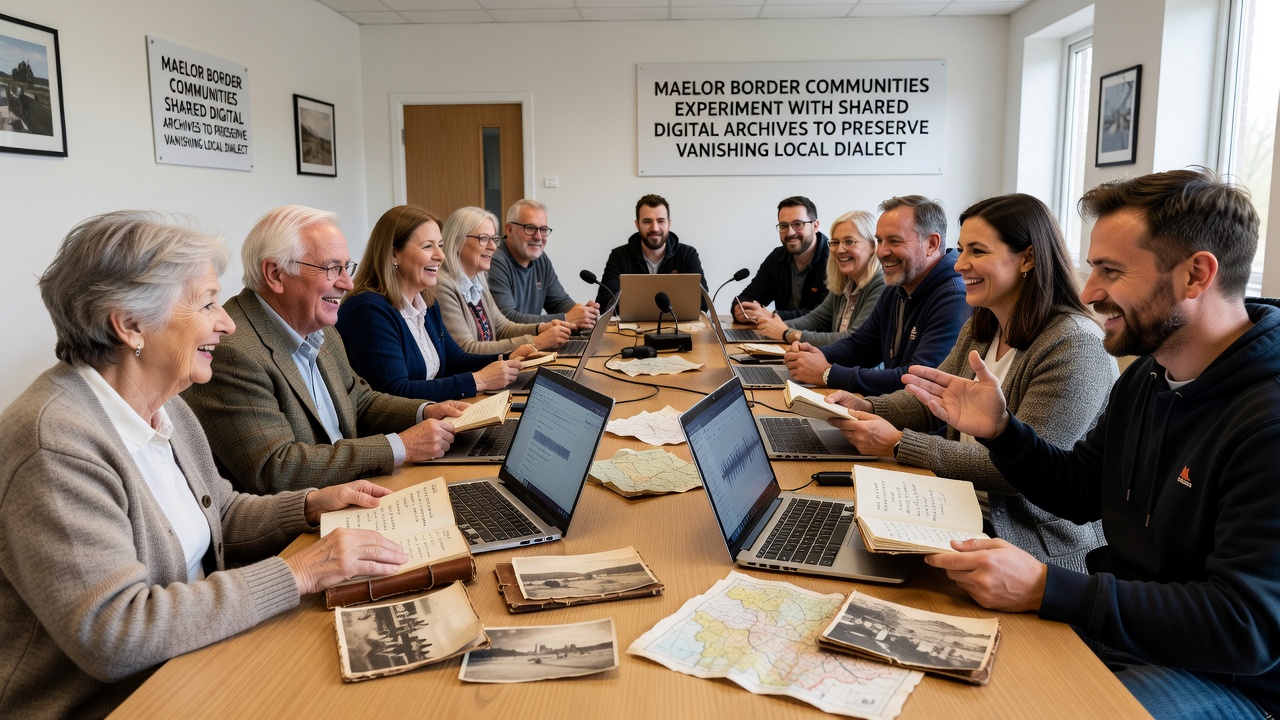
By October 2026 the archive had amassed over 1,200 audio files and 850 transcribed documents, and project coordinators reported that contributions from five additional villages had joined the network since the previous year, expanding geographic coverage along the border region.
Figures from the coordinating group show that monthly uploads averaged 85 new entries during the summer months, and partnerships with nearby schools incorporated student interviews with elders as part of curriculum activities that align with language preservation goals.
Community Participation Patterns
Residents contribute through scheduled recording events held at village halls and farms, and those who participate often bring family photographs or handwritten notes that provide context for specific phrases and expressions, while digital tools allow remote submissions from individuals who have relocated but retain ties to the area.
Experts from regional universities have supplied guidelines on ethical data handling, and they emphasize consent processes that let contributors specify how their recordings may be used in future publications or presentations.
Related Language Preservation Efforts
Similar initiatives in other border regions draw on comparable methods, and one program in Canada documented indigenous language variants through shared digital repositories that achieved measurable increases in community engagement according to reports from the Canadian Heritage department.
European examples include collaborative platforms managed by the European Education and Culture Executive Agency, which track dialect retention rates across multiple member states and share best practices on metadata standards that facilitate cross-archive searches.
Conclusion
The Maelor border communities continue to refine the archive structure based on user feedback and technical assessments, and ongoing documentation activities ensure that recorded materials remain available for future generations who seek to understand the linguistic heritage of the region.